
Used Ford SUV or truck in Virginia: Explorer XLT vs F-150 XLT
Used Ford SUV or truck in Virginia
Choosing between a Ford Explorer XLT and a Ford F-150 XLT is less about deciding which vehicle is better and more about understanding what you expect your next vehicle to do. Both carry the Ford name and the XLT trim designation, but one is designed around SUV versatility while the other brings the utility and configuration possibilities of a full-size pickup.
For someone searching for a used Ford SUV or truck in Virginia, the right starting point is everyday use. How many passengers do you regularly carry? Do you need an enclosed cargo area or an open bed? Will the vehicle primarily handle commuting and family trips, or does it need to transport tools, equipment, or a trailer? These questions create a more useful comparison than horsepower alone. Pasted markdown
Used vehicles add another layer to the decision. Model year, mileage, engine, drivetrain, equipment, maintenance history, and current condition can make two examples of the same Ford model substantially different. The goal is to choose the right vehicle category first and then evaluate the exact Explorer XLT or F-150 XLT available.
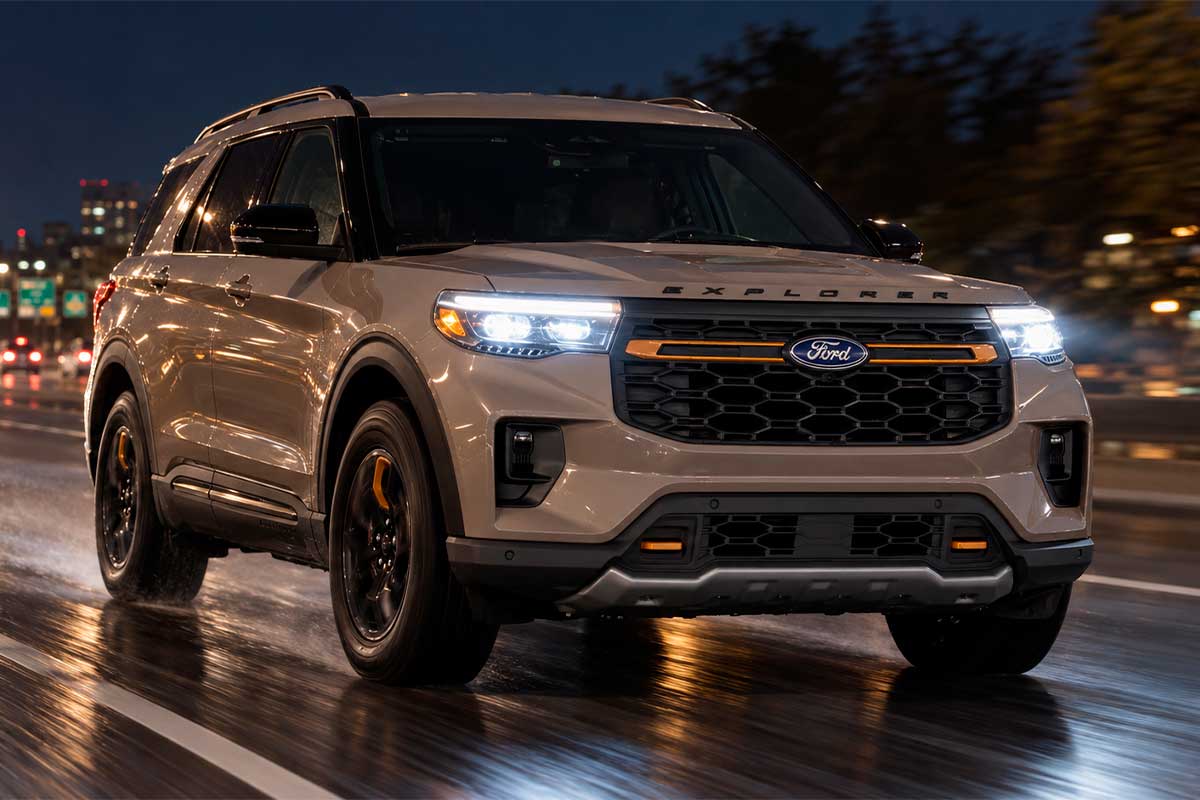
Ford Explorer XLT: when does a used SUV make more sense?
The Explorer XLT makes sense for buyers who want their vehicle organized primarily around people and interior space. The three-row SUV format provides flexibility for families, passengers, luggage, groceries, sports equipment, and road trips without requiring an open cargo bed.
For daily driving, an SUV also creates a different ownership experience from a full-size pickup. Passengers and cargo remain within the enclosed cabin, and the vehicle’s layout is oriented toward combining seating with configurable interior storage. This can make the Explorer particularly relevant for households that use one vehicle for several different purposes throughout the week.
A used Explorer XLT can be particularly interesting in three situations
- Family and passenger use: a three-row layout can provide useful flexibility when several people regularly travel in the vehicle.
- Daily driving and road trips: an enclosed SUV combines passenger accommodations with protected space for luggage and everyday cargo.
- Changing driving conditions: depending on model year and configuration, buyers can compare drivetrain and equipment based on where and how they expect to drive.
The important phrase is depending on model year and configuration. A used Explorer should not be evaluated using specifications from a current new model as though every previous XLT were identical. Engines, drivetrain choices, driver-assistance technology, infotainment, seating features, and available equipment have changed across model years.

Is a used Ford Explorer XLT a good family SUV?
It can fit that role well when passenger capacity and interior flexibility are priorities. The better question is whether the specific used Explorer has the condition, mileage, features, and configuration that match the household buying it.
A family that frequently travels with several passengers may value the third row much more than maximum cargo dimensions. Another buyer may rarely use every seat but appreciate being able to reconfigure the cabin when carrying luggage or larger items. Those are practical benefits that remain relevant long after the excitement of choosing a vehicle has passed.
Ford F-150 XLT: when do you actually need a pickup?
The F-150 XLT approaches transportation from a different direction. Its pickup architecture becomes valuable when the owner needs an open bed, regularly moves equipment or bulky objects, or requires towing capability appropriate to the exact configuration.
The XLT badge does not describe one universal F-150. Ford’s current 2026 lineup itself demonstrates how much variation exists within the model: F-150 offers multiple engines and cab/bed combinations, while available equipment and towing capability vary according to configuration. Ford specifically notes that towing ratings can change based on factors such as cab configuration, accessories, and passengers. https://www.ford.com/
That variation becomes even more important in the used market, where shoppers may be comparing trucks from different model years. A used F-150 XLT should therefore be evaluated through its actual VIN, engine, cab, bed, drivetrain, packages, mileage, and condition rather than assumptions based on the XLT name.
Is a used F-150 XLT practical for daily driving?
A pickup does not have to be a dedicated work vehicle. Many buyers use F-150s for commuting, family transportation, highway trips, recreational activities, and occasional hauling. The question is whether the pickup capabilities justify the vehicle’s size and ownership characteristics for that particular driver.
Someone who transports tools or bulky equipment several times per week may get regular value from the bed. A driver who almost always carries passengers and enclosed luggage may discover that the Explorer’s cabin configuration better matches what the vehicle actually does each day.
Explorer XLT vs F-150 XLT: passenger space or cargo flexibility?
This is where the comparison becomes useful. The Explorer organizes most of its usable space around an enclosed passenger cabin. The F-150 separates the passenger compartment from a dedicated pickup bed and offers a wider range of truck-specific configurations.
For families, airport trips, commuting, and long drives with luggage inside the vehicle, the Explorer format may align naturally with those activities. For tools, building materials, dirty equipment, larger outdoor gear, or tasks where an open bed is useful, the F-150 offers a capability an SUV cannot reproduce in the same way.
Neither scenario establishes a universal winner. The original brief for this article intentionally treats the models as solutions for different needs rather than attempting to rank them. Pasted markdown
Think about the trips the vehicle will make during an ordinary month rather than the exceptional trip it might make once a year. That usually provides a clearer picture of whether SUV interior versatility or pickup capability deserves priority.

Buying a used F-150 XLT requires checking the exact configuration
Pickup specifications require particular care because headline capability numbers usually describe specific configurations rather than every truck carrying the same model name. Ford’s 2026 information, for example, lists multiple engine choices across the F-150 range and explicitly states that exact towing capacity varies significantly according to vehicle configuration. https://www.ford.com/
A buyer evaluating a used F-150 XLT should identify three areas before assuming what the truck can do:
- Engine and drivetrain: confirm the engine installed in the specific truck and determine whether it is configured as 4×2 or 4×4.
- Cab and bed configuration: identify the cab style and bed length because they change passenger accommodations and practical cargo use.
- Towing and equipment: verify the equipment on the actual vehicle before applying published maximum towing figures to that truck.
This matters even when two trucks share a model year and XLT badge. Equipment packages, drivetrain and physical configuration can produce meaningful differences, particularly when the purchase is motivated by a specific towing or hauling requirement.
Model year matters when buying a used Ford
A used Ford shopper is buying a specific vehicle from a specific point in the model’s development. Technology, engines, transmissions, infotainment systems, safety equipment, interior design, and available packages can change across generations and even between nearby model years.
The XLT designation is useful for identifying a trim, but it does not replace researching the individual vehicle. The more accurate comparison is model year + trim + configuration + mileage + condition. That formula is especially useful when comparing two vehicles whose prices appear close online.
It can also prevent paying for features you do not need. A newer model with more technology may appeal to one buyer, while another may prefer a well-maintained older unit with the configuration required for work. Used-car value becomes much easier to judge when specifications are connected to actual needs.
Mileage and condition matter after choosing Explorer or F-150
Mileage should be interpreted alongside maintenance and condition rather than used as an isolated pass-or-fail number. A vehicle’s odometer tells you how far it has traveled, but it does not explain how it was driven, maintained, repaired, or stored.
Virginia DMV offers a Prospective Purchaser Inquiry, or PPI, that can provide information from Virginia DMV records about a vehicle being considered for purchase. Depending on available records, the report can include vehicle history and special annotations; the current fee is $12 per vehicle. Virginia DMV
Virginia DMV also recommends checking vehicle condition and history through NMVTIS before purchasing. NMVTIS information can include title records, brand history and odometer data, helping buyers investigate the identity and recorded history of the specific Ford they are considering. Virginia DMV
A history report still does not determine current mechanical condition. The FTC recommends an independent mechanical inspection because a history report may identify events such as accidents or flood damage while failing to reveal current mechanical problems.
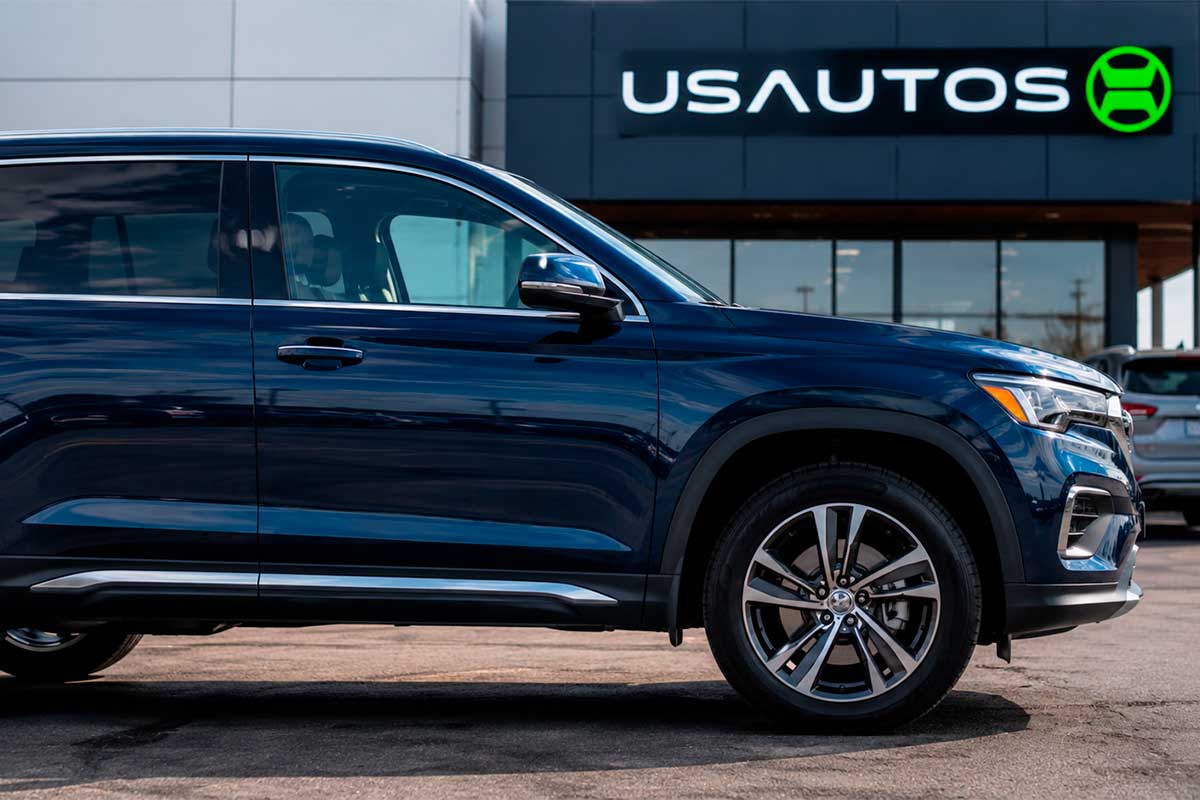
How to shop for a Ford Explorer XLT or F-150 XLT at UsautosDMV
Once you know whether your routine points toward an SUV or pickup, the next step is comparing real vehicles rather than hypothetical specifications. Inventory gives you the opportunity to evaluate model year, mileage, equipment, price, and condition together.
At UsautosDMV, the shopping process can focus on three practical steps:
- Compare available Ford vehicles: review Explorer, F-150, and other available Ford models according to year, mileage, equipment, condition, and price.
- Explore financing alternatives: buyers can review financing options that may be available based on their profile and participating lender requirements.
- Get bilingual buying assistance: Spanish-speaking customers can receive support when reviewing vehicle information and important steps in the purchasing process.
If the exact Ford configuration you originally considered is not the right fit, UsautosDMV can also help you compare other Used cars in Virginia based on the same practical criteria. The objective is to connect the vehicle you want with the transportation needs and budget you will actually have after the purchase.
¿Te animas? Escríbenos o visítanos hoy mismo. Tu próximo paso en este país empieza sobre ruedas.
FAQs
How can I check the mileage history of a used Ford in Virginia?
Virginia DMV’s PPI can include odometer information recorded when the vehicle was titled in Virginia, while NMVTIS can provide odometer and title information from its national data. DMV also recommends reviewing vehicle-history information for odometer discrepancies before purchasing.
Should I get a pre-purchase inspection even if the Ford has a vehicle history report?
Yes, they answer different questions. A history report provides information about recorded events in the vehicle’s past, while an independent mechanical inspection can identify aspects of its current condition. The FTC explicitly states that a vehicle history report is not a substitute for an independent inspection.
Is a 4x4 F-150 XLT always better than a 4x2?
They serve different requirements. A buyer who regularly needs additional traction may value 4×4, while another whose truck spends most of its time in ordinary road conditions may prioritize other characteristics. The drivetrain should be considered together with price, condition, intended use, and the rest of the truck’s configuration.
How can I confirm which engine a used F-150 XLT has?
Start with the VIN and the vehicle’s documentation rather than assuming the engine from the XLT badge. F-150 configurations can vary by model year and equipment, so confirming the exact powertrain is important before comparing performance, towing capability, or other specifications.
What is good mileage for a used Ford Explorer XLT or F-150 XLT?
There is no universal mileage number that determines whether a used Ford is a good purchase. Mileage should be evaluated alongside model year, maintenance records, mechanical condition, ownership history, and price. A higher-mileage vehicle with documented maintenance may present a very different purchase from a lower-mileage unit with unclear history.

