
Cheapest used cars to insure in Virginia: 2026 buying guide
Cheapest used cars to insure in Virginia
A low purchase price does not automatically make a used car affordable. Virginia drivers must also budget for insurance, maintenance, fuel, registration, repairs, and financing. Over several years, those recurring expenses can easily outweigh the savings obtained by choosing the cheapest vehicle on the lot.
That changes how buyers should search for the cheapest used cars to insure in Virginia. Instead of asking which vehicle has the lowest sticker price, a better question is: Which used car can I realistically afford to own every month? Insurance is a major part of that calculation because premiums can vary substantially according to the vehicle, driver, coverage, and location.
For buyers comparing Used cars in Virginia, total cost of ownership provides a much more useful benchmark. A reliable vehicle that costs slightly more upfront may ultimately be cheaper if it delivers affordable insurance, reasonable maintenance costs, good fuel economy, and fewer unexpected repairs.
Why some used cars cost less to insure
Insurance companies do not determine premiums based exclusively on the market value of a vehicle. Their calculations incorporate risk, including the expected cost of claims, repair expenses, safety characteristics, theft exposure, driver profile, and other underwriting variables.
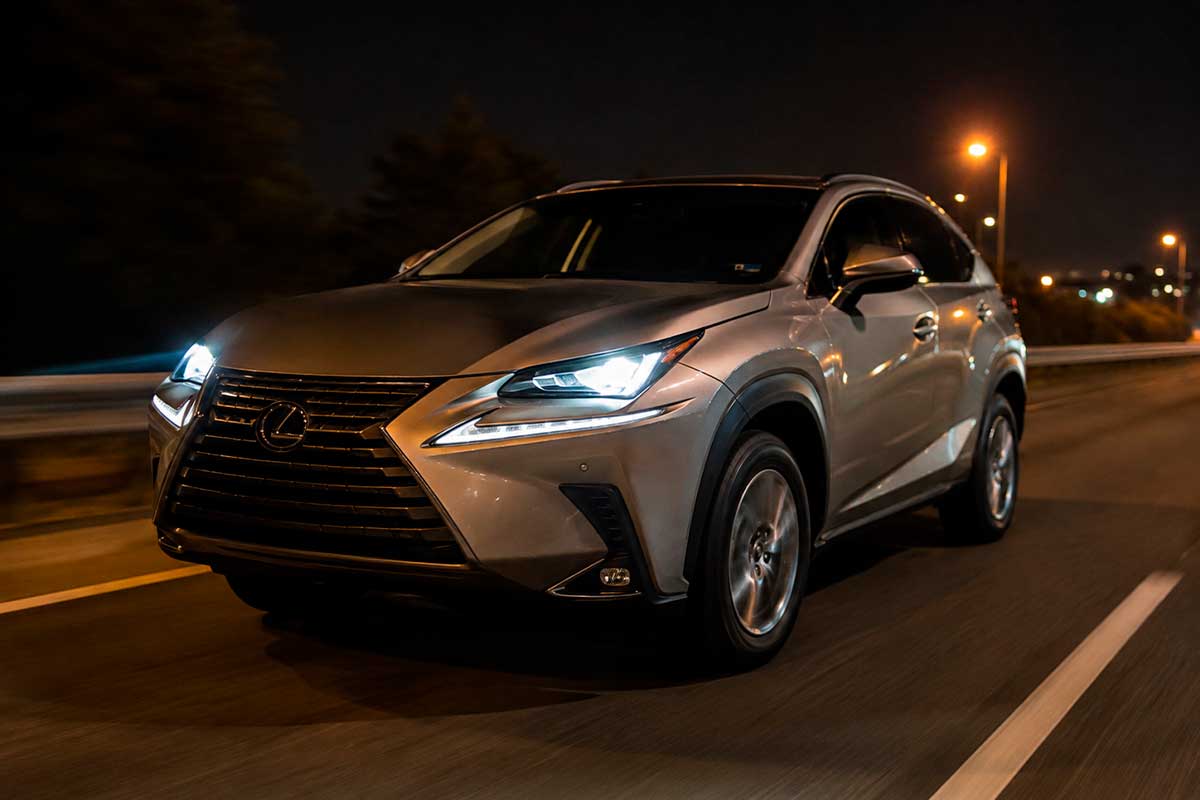
This helps explain why a practical crossover can sometimes cost less to insure than a cheaper performance-oriented vehicle. Current national estimates show that mainstream SUVs with strong safety profiles can perform particularly well on insurance costs. Recent 2026 data cited by Forbes, for example, places the Subaru Outback, Subaru Forester, and Honda CR-V among the least expensive new models to insure nationally.
Used-car buyers should treat national averages as benchmarks rather than quotes. Model year, trim, replacement parts, vehicle value, ZIP code, driving record, age, selected deductibles, and coverage limits can all change what an individual driver ultimately pays.
Honda CR-V: a strong balance between practicality and insurance costs
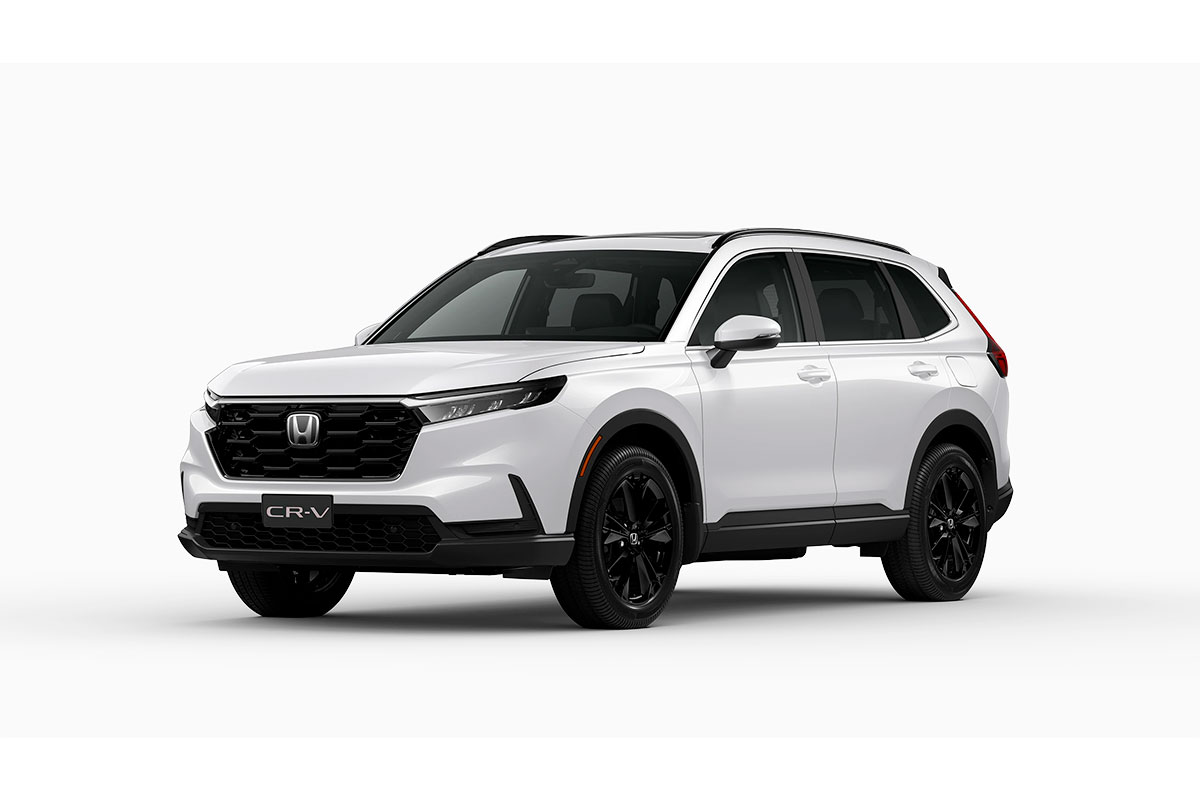
The Honda CR-V deserves consideration because it combines the practicality expected from a compact SUV with a relatively conventional mechanical and repair profile. National 2026 estimates cited by Forbes place the CR-V at approximately $122 per month to insure for the methodology used in the underlying comparison, making it one of the lower-cost current models in that national dataset.
For a used buyer, however, insurance is only one part of the CR-V’s appeal. Its popularity means there is a substantial ecosystem of replacement parts and technicians familiar with the model. Depending on year, mileage, condition, and service history, that can make long-term maintenance easier to predict than with a less common vehicle.
A used CR-V can therefore make financial sense for someone who needs SUV cargo capacity without immediately moving into a larger and potentially more expensive vehicle category. The correct comparison should still use actual insurance quotes for the specific VINs being considered.
Toyota Camry: why a traditional sedan still deserves attention
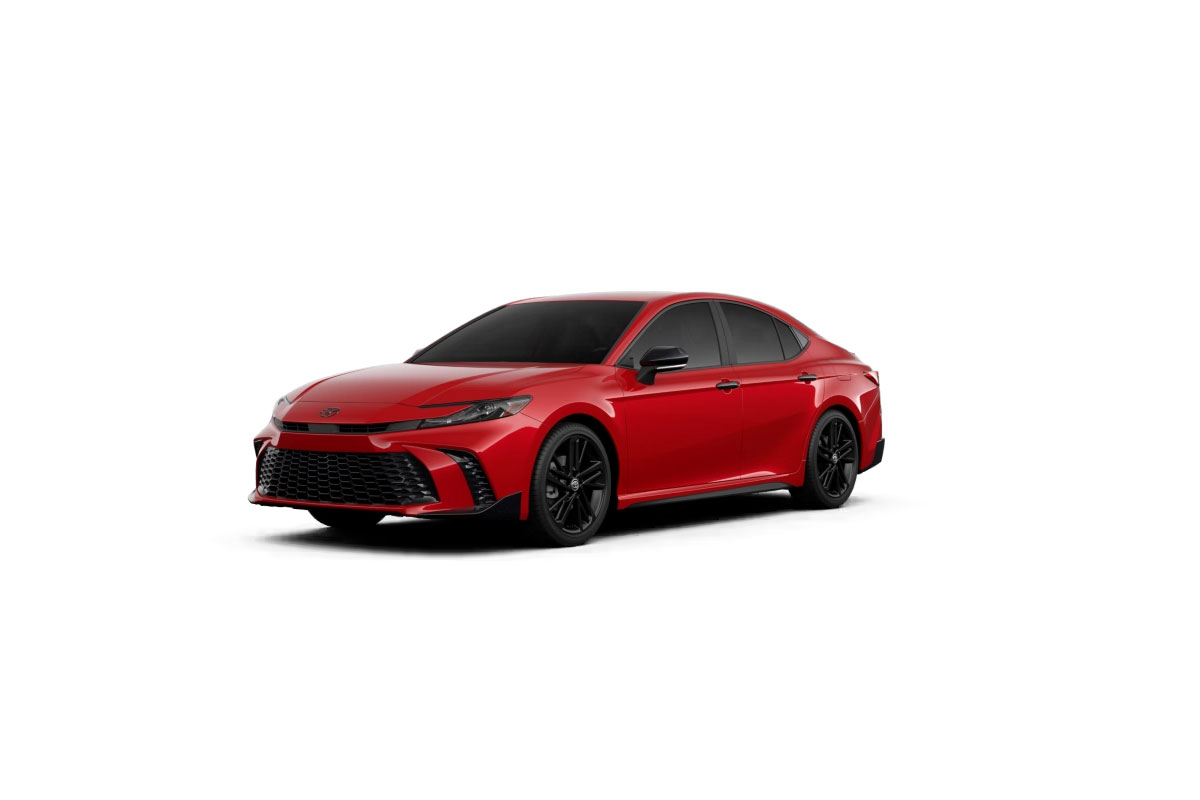
A used Toyota Camry approaches affordability from a different direction. Rather than focusing exclusively on whether it tops a national insurance ranking, buyers can evaluate the combination of widespread availability, fuel consumption, resale demand, parts availability, and long-term mechanical reputation.
Sedans can make particular sense for commuters who do not need the cargo capacity or ground clearance of an SUV. Paying for additional vehicle size that rarely gets used can increase fuel consumption and potentially affect other ownership expenses without providing meaningful value to that particular driver.
Insurance quotes should still be obtained before choosing a Camry. Different generations, trims, engine configurations, driver profiles, and ZIP codes can produce different premiums. The important point is to evaluate the Camry as an ownership package rather than assuming that its reputation for reliability automatically makes every example inexpensive.
Honda Civic: affordable ownership requires choosing the right example
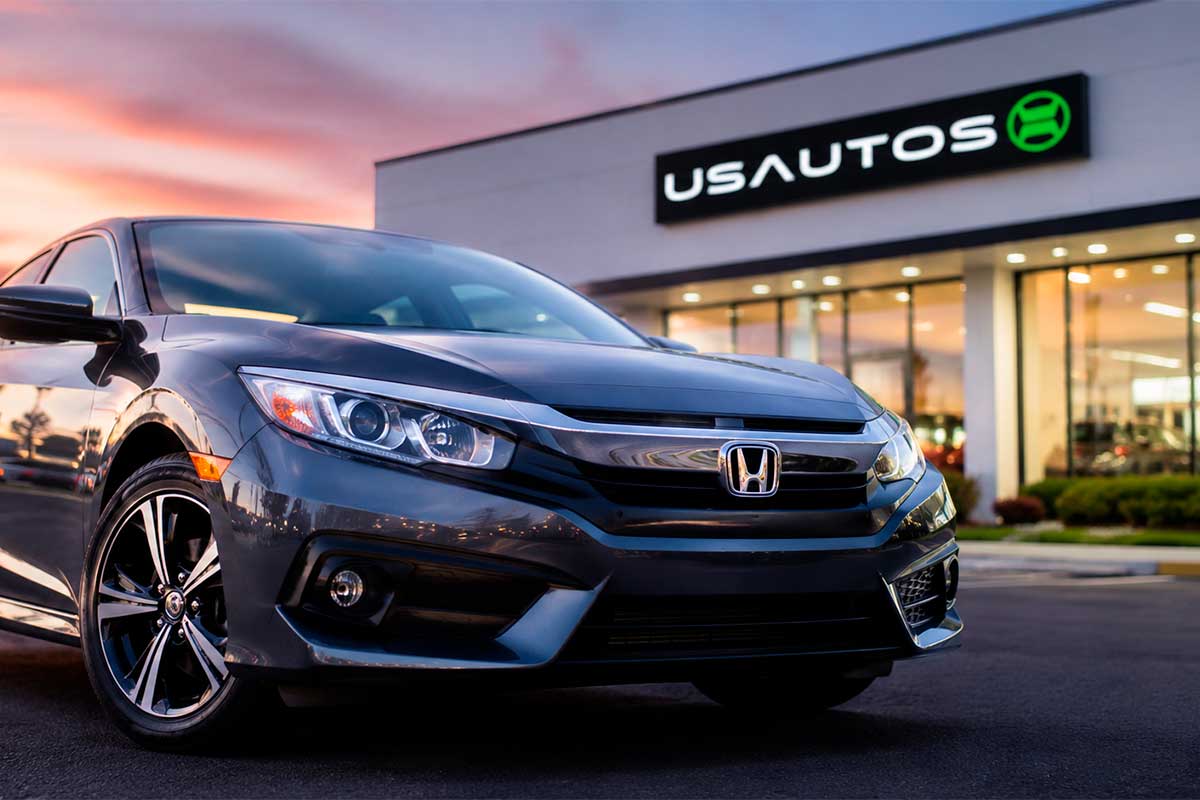
The Honda Civic can also fit the profile of a cost-conscious Virginia commuter. Its compact dimensions and established presence in the U.S. market make it an obvious model to compare when fuel economy and everyday transportation matter more than towing or large cargo capacity.
The Civic also demonstrates why model-level insurance rankings have limits. A standard Civic used primarily for commuting may present a different insurance profile from certain trims or configurations, while the driver’s age, record, location, annual mileage, and chosen coverage can have an even greater impact.
A buyer should therefore obtain a quote using the exact vehicle under consideration. That small step turns an internet estimate into information that can actually be incorporated into the monthly budget.
Your Virginia ZIP code can change the insurance equation
Location can produce surprisingly large differences even within the same state. Insurify’s Virginia estimates current as of August 31, 2026 show average full-coverage quotes of approximately $159 per month in Winchester, $183 in Leesburg, $200 in Arlington, $238 in Alexandria, and $248 in Richmond.
These figures are estimates generated from quote data and should not be interpreted as what every resident will pay. They do demonstrate why a statewide insurance average can be misleading for an individual buyer. Insurers consider geographic factors because accident frequency, theft exposure, traffic density, and claims patterns differ between locations.
Someone living in Northern Virginia should therefore compare vehicles using quotes associated with their actual address. A model that appears inexpensive in a national ranking could produce a very different premium once the driver’s location and personal profile are incorporated.
Virginia requires insurance throughout the registration period
Insurance should be calculated before purchasing the vehicle because Virginia requires registered motor vehicles to maintain liability coverage. For policies effective on or after January 1, 2025, the state’s minimum liability limits are $50,000 for injury or death of one person, $100,000 for two or more people, and $25,000 for property damage.
The previous option of paying Virginia’s Uninsured Motor Vehicle Fee instead of carrying conventional insurance was repealed effective July 1, 2024. The DMV now states that a registered vehicle must remain insured even when it is temporarily not being driven, unless the appropriate registration or plate action is taken.
The consequences of failing to maintain required coverage are significant. Virginia DMV lists suspension of driving and registration privileges, a $600 non-compliance fee, an SR-22 financial responsibility requirement for three years, and an applicable reinstatement fee.
Financing changes how much insurance you may need
The state minimum and the coverage required for a financed vehicle should not be confused. A lender can require additional insurance protection under the finance agreement because the vehicle serves as collateral for the loan. Buyers should confirm the required coverage before signing rather than calculating affordability using minimum liability insurance alone.
Imagine that a household has $700 available each month for transportation. A $550 car payment may initially appear affordable, but the calculation changes after adding insurance, gasoline, scheduled maintenance, and money reserved for future repairs. The payment itself tells only part of the financial story.
Getting insurance quotes before financing the car solves part of this problem. Buyers can compare two or three vehicles, determine their approximate insurance expenses, and then decide which loan payment fits comfortably inside the remaining transportation budget.
Maintenance can erase the savings from cheap insurance
Insurance rankings become far less valuable when they ignore mechanical condition. A $9,000 vehicle with inexpensive coverage can become more expensive than a $12,000 alternative if it immediately requires tires, brakes, suspension components, cooling-system repairs, and other overdue maintenance.
Service history matters heavily when evaluating used vehicles. Oil changes, transmission service where applicable, brake maintenance, tire condition, fluid replacement, and evidence of previous repairs provide a clearer picture of what the next owner may face during the first years of ownership.
This is also why age and mileage should never be evaluated independently. A higher-mileage vehicle with consistent maintenance can sometimes represent a more predictable purchase than a lower-mileage example with missing records and visible neglect.
Calculate the monthly cost before choosing the vehicle
A practical ownership budget should be built before the buyer becomes attached to a specific car. Start with the expected payment or cash cost, then add a real insurance quote and realistic estimates for fuel and maintenance.
Three numbers deserve particular attention when comparing candidates:
- Insurance: obtain quotes for the actual model year and preferably the specific VIN rather than relying exclusively on national averages.
- Maintenance and fuel: estimate routine servicing, expected repairs, tire costs, annual mileage, and fuel consumption.
- Financing: compare APR, term, amount financed, down payment, and total loan cost rather than judging affordability from the monthly payment alone.
This comparison can produce counterintuitive results. A slightly more expensive CR-V, Outback, Forester, Camry, or Civic may be the better financial choice when its insurance, condition, fuel economy, and expected maintenance produce a lower overall ownership burden.
Financing a used car with ITIN in Virginia
For some Virginia buyers, affordability has another dimension: access to financing without an established Social Security-based credit history. New residents and ITIN holders may have stable income but limited traditional U.S. credit information, making a conventional dealership process more difficult.
An ITIN does not guarantee financing, and approval conditions depend on the lender and applicant. Income, documentation, vehicle selection, amount financed, down payment requirements, and other underwriting criteria can affect the final decision. A responsible financing process should explain those conditions before the buyer commits to a vehicle.
Usautos works with buyers using ITIN and can explore financing alternatives through participating financial partners. This gives customers an opportunity to evaluate the vehicle and financing together instead of selecting a car first and discovering later that the overall monthly ownership cost does not fit their circumstances.
What is the smartest way to choose a low-cost used car in Virginia?
Start by selecting several vehicles that satisfy the same practical need. If you need a family crossover, compare vehicles such as the CR-V, Forester, and Outback rather than comparing an SUV against an unrelated sports car simply because their advertised prices happen to be similar.
Request insurance quotes for each candidate before committing. Then review maintenance history, current mechanical condition, fuel requirements, financing terms, and the amount you expect to drive each year. The best choice is the vehicle whose combined expenses fit the household budget with enough room for unexpected costs.
That approach also protects buyers from a common mistake: stretching the budget to obtain a more expensive vehicle because the monthly loan payment appears manageable. A sustainable car purchase leaves enough financial capacity to insure, fuel, maintain, and repair the vehicle throughout ownership.
¿Te animas? Escríbenos o visítanos hoy mismo. Tu próximo paso en este país empieza sobre ruedas.
FAQs
What insurance coverage is required in Virginia in 2026?
For policies effective from January 1, 2025 onward, Virginia’s minimum liability limits are $50,000 for injury or death of one person, $100,000 for two or more people, and $25,000 for property damage. Registered vehicles must maintain required coverage throughout their registration period.
Should I get an insurance quote before buying a used car?
Yes. Requesting a quote for the specific vehicle gives you a much more realistic ownership budget. This is particularly important when financing because your lender may require coverage beyond Virginia’s statutory minimum.
Does my ZIP code affect car insurance rates in Virginia?
Yes. Location can materially affect premiums. Current Virginia estimates show meaningful differences between cities such as Winchester, Leesburg, Arlington, Alexandria, and Richmond, although an individual’s actual premium depends on many additional factors.
Is a used SUV always more expensive to insure than a sedan?
No. Vehicle category alone does not determine the premium. Repair costs, safety characteristics, claims history, theft risk, vehicle value, driver information, location, and coverage can all influence the quote. Some mainstream SUVs currently appear among the least expensive vehicles to insure nationally.
What are some of the cheapest vehicles to insure?
Current national 2026 data places the Subaru Outback, Subaru Forester, and Honda CR-V among models with relatively low average insurance quotes, at approximately $117, $119, and $122 per month respectively in the cited comparison. These are national estimates for current models, not guaranteed Virginia premiums for used examples.

